Shopping in Dubai Tips 2026 — 8 Things Experts Know
Dubai is one of the greatest shopping destinations on the planet. The city combines world-class malls, traditional Arabian souks, luxury boutiques, outlet villages, and open-air retail districts into a single experience found nowhere else on earth. Whether you are hunting for designer brands, browsing hand-crafted gold jewellery at the famous Gold Souk, looking for the best electronics deals, or simply picking up beautifully packaged dates and Arabic perfumes to take home, Dubai has something for every type of shopper and every budget level.
Shopping in Dubai without knowing the rules, the timing, and the practical tips that experienced shoppers use means you end up paying more than necessary, missing the best deals, or arriving at markets only to find them closed. This complete guide gives you every tip and practical detail you need to shop smarter, save more, and enjoy the experience fully.
Why Dubai Is the World’s Best Shopping Destination
Dubai occupies a unique position as the meeting point between East and West, and its retail landscape reflects this perfectly. The city has no import tax on most goods, which means products from all over the world arrive at lower base costs than in heavily taxed markets like Europe or Australia.
The UAE applies a standard VAT of just 5 percent on most goods, which is among the lowest consumption taxes of any major economy. International tourists can reclaim this amount in full at the airport before departure. The combination of low taxes, intense competition among thousands of retailers, and the sheer scale of Dubai’s shopping infrastructure creates a price environment that genuinely favours buyers across many product categories.Dubai is also one of the world’s largest re-export hubs. Goods from India, China, Europe, and the Americas all flow through Dubai’s trading ecosystem, giving local retailers access to enormous variety at competitive prices. For shoppers, this means an unmatched selection of products across every category and price point.
Tip 1: Know When to Shop in Dubai
Timing your shopping visit correctly is one of the most valuable decisions you can make. It makes the single biggest difference to how much value you get from your trip.
The Dubai Shopping Festival Is the Best Time to Shop
The Dubai Shopping Festival, known widely as DSF, is the most important shopping event in the Middle East. It runs for six weeks every year from early December through to late January, covering the peak of Dubai’s winter season when the weather is at its most pleasant. The 2025 to 2026 edition ran from 5 December 2025 to 11 January 2026, and the next edition is expected to follow the same winter window.
During DSF, discounts across participating retailers range from 25 percent to 75 percent off original prices. Fashion brands typically offer 30 to 50 percent reductions. Electronics retailers run deals up to 75 percent on selected products. Gold and jewellery at the Gold Souk come with promotional making charge reductions that significantly lower the overall price. Home and lifestyle products see 40 percent or more off across major stores.Beyond discounts, DSF runs daily prize draws where shoppers can win cash prizes up to AED 150,000, along with luxury cars, gold bars, and international travel packages. The atmosphere across the city is genuinely electric, with evening fireworks, drone light shows, live concerts, and extended mall hours that often run until midnight on weekends.
When to Buy Within the Festival
The opening weeks of DSF offer the best product availability and selection, but discounts are at their modest end. The final week delivers the deepest discounts as retailers clear remaining stock, but popular items run out quickly. The middle weeks represent the best balance between selection and price. If you are targeting a specific product, shop in the opening week to ensure you find it. If you are flexible on what you buy and hunting for the deepest deals, the final week is your best opportunity.
Dubai Summer Surprises Is the Secret Off-Season Opportunity
Most tourists avoid Dubai in summer because temperatures regularly exceed 40 degrees Celsius. This is exactly what makes the Dubai Summer Surprises festival from June through August such an underappreciated shopping opportunity. The city actively incentivises summer visits with significant discounts, and reduced tourist numbers mean you get far more attention from shop staff and a much more relaxed experience.If you can spend your time in fully air-conditioned malls rather than outdoor attractions, summer is one of the most cost-effective times to visit. Hotel prices and flights drop dramatically, and the DSS shopping promotions add genuine value on top of these savings.
Best Days and Times of the Week to Shop
Weekday mornings from 10am to 1pm are the quietest periods in every major mall. Staff have more time for you, dressing rooms are free, and browsing happens at a relaxed pace. Friday and Saturday evenings are the busiest periods across all Dubai shopping destinations. If you want focused, efficient shopping, mornings on weekdays are always the best choice.
Know Where to Shop for Different Needs
One of the most common mistakes visitors make is not knowing which type of shopping destination matches what they want to buy. Dubai has several distinct shopping environments, each suited to different purposes.
Major Malls for Branded Retail
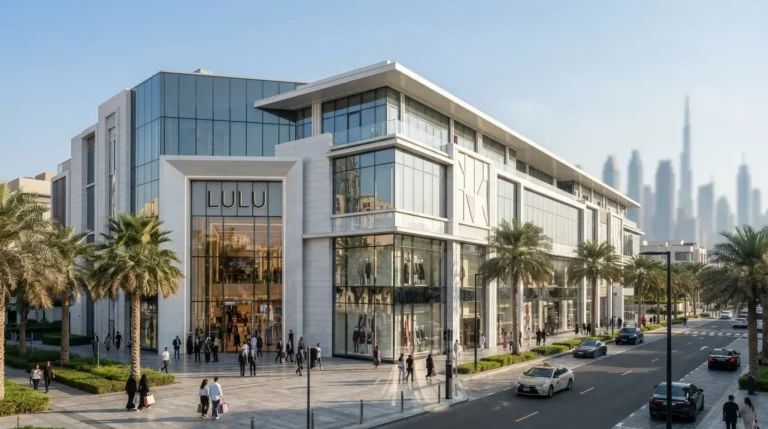
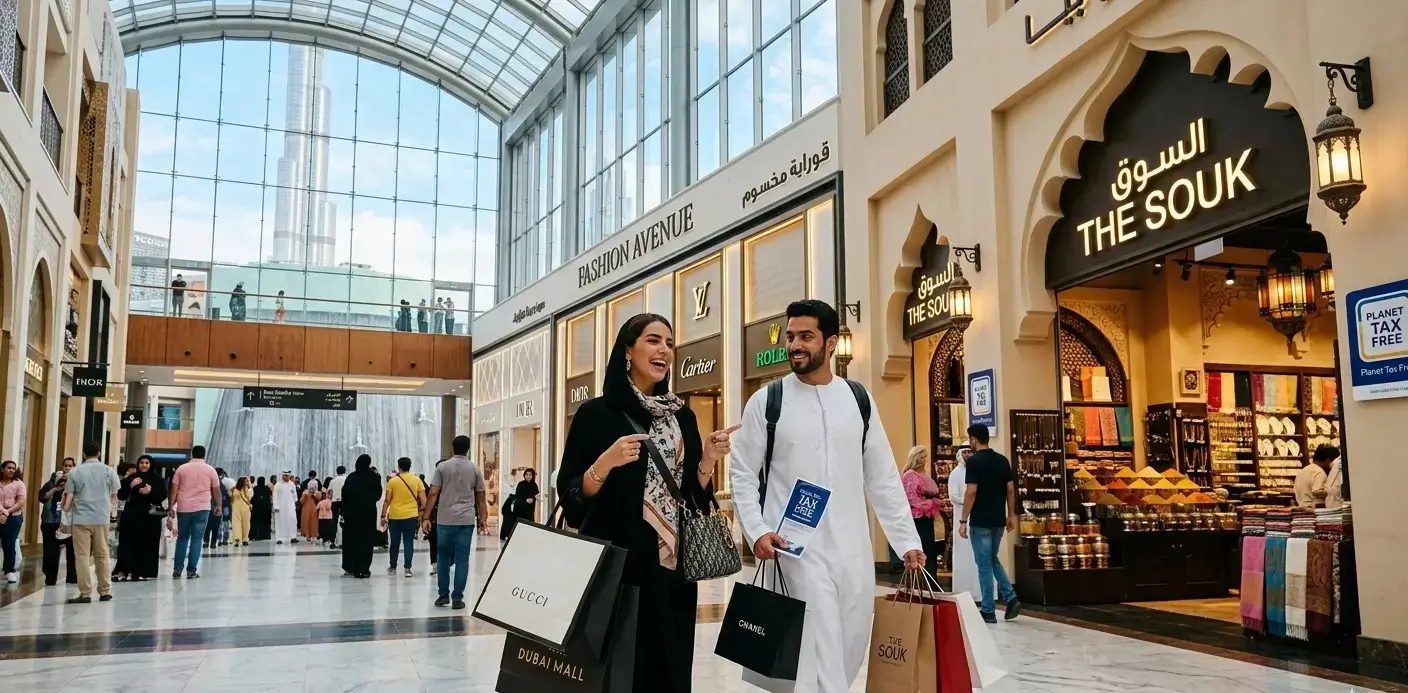
The Dubai Mall and Mall of the Emirates are the best starting points for visitors looking for international brands across every price range. The Dubai Mall hosts over 1,200 stores, from Fashion Avenue’s luxury corridor with Chanel, Louis Vuitton, Dior, and Gucci, to everyday brands like Zara, H&M, and Marks & Spencer. Prices in malls are fixed and non-negotiable. Mall of the Emirates offers 630 stores and has the added draw of Ski Dubai, making it a genuinely full-day destination. Dubai Hills Mall is the best option for a newer, less crowded mall experience with a strong mid-range retail lineup.
Traditional Souks for Authentic Shopping
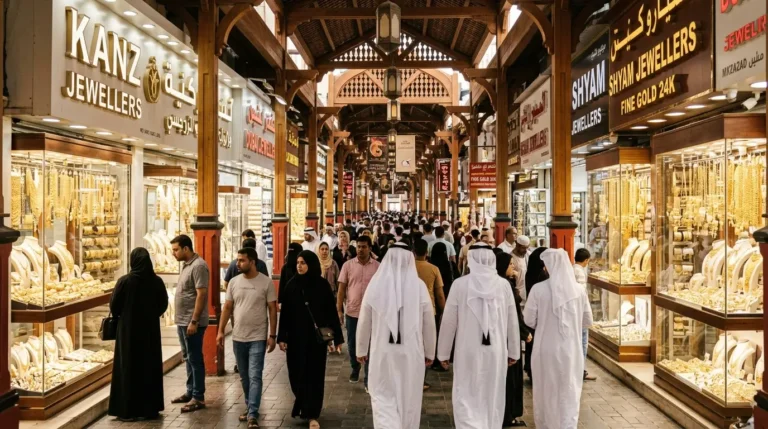
The traditional souks of Old Dubai are the only places in the city where bargaining is not just acceptable but expected. The Gold Souk in Deira, with over 380 licensed retailers, is where to buy gold jewellery, precious stones, and investment gold. The Spice Souk nearby offers dates, dried fruits, saffron, and frankincense at prices well below mall levels. The Textile Souk carries fabrics, pashminas, and traditional clothing. The Perfume Souk specialises in Arabic attars, oud oils, and incense. Each souk has its own distinct character and is worth visiting even if you do not plan to buy.
The Outlet Village for Luxury at Discounted Prices
The Outlet Village in Jebel Ali is Dubai’s best-kept secret for luxury shoppers on a budget. Designed to look like an Italian Tuscan village, it carries last-season collections from brands including Versace, Armani, Burberry, Fendi, and Prada at discounts of 30 to 70 percent off original retail prices. If luxury brand shopping is a priority and you are price-conscious, this destination is essential and often missed by first-time visitors.
Dragon Mart for the Lowest Prices in Dubai
Dragon Mart is the largest Chinese trading hub outside mainland China. Over 4,000 retailers sell electronics, furniture, home goods, clothing, and hardware at prices typically 30 to 60 percent below comparable products in malls. For large purchases like furniture or home furnishings, Dragon Mart delivers genuine value that cannot be matched anywhere else in the city.
Tip 3: Master the Art of Bargaining in Dubai
Understanding where and how to bargain in Dubai is one of the most practical shopping tips for any visitor. Getting it right separates experienced shoppers from those who overpay.
Where Bargaining Works and Where It Does Not
Bargaining is appropriate in traditional souks including the Gold Souk, Spice Souk, Textile Souk, and Perfume Souk. It is also normal in Dragon Mart and in smaller independent shops throughout Deira and Bur Dubai. Bargaining is never appropriate in any branded mall store, international chain retailer, supermarket, or formal retail outlet with fixed price tags. The rule is simple — if there is a clearly marked price tag from a known brand, the price is fixed. If a shopkeeper quotes a price verbally in a traditional market, it is negotiable.
How to Bargain Effectively
The most effective approach begins with research. Walk through multiple shops first and note the range of prices quoted for similar items. This gives you a realistic sense of what the market price actually is before you start negotiating. When you are ready, express genuine interest without urgency. Ask a few questions about the item, then ask for the best price.In most souks, the first price quoted is 20 to 40 percent above what the seller is genuinely prepared to accept. A counter-offer at around 50 to 60 percent of the asking price opens the negotiation from a reasonable position. The final agreed price typically lands somewhere between your opening counter and their initial ask. Always stay polite and patient throughout. A calm, informed approach consistently produces better results than aggressive negotiation.Paying in cash also improves your position. Retailers in souks prefer cash because it eliminates card processing fees, and many will offer a small additional reduction for cash payment. Bringing UAE dirhams in cash for souk shopping is always advisable.
Always Claim Your VAT Refund as a Tourist
This is one of the most financially valuable shopping tips available to international visitors, and an extraordinary number of tourists simply do not take advantage of it. The UAE charges 5 percent VAT on most goods. International tourists who are not UAE residents are entitled to a full refund of this amount on qualifying purchases. On significant purchases of gold, electronics, or luxury goods, this adds up to a meaningful saving.To claim your refund, look for the Planet Tax Free logo at the retailer when making your purchase. Ask the cashier for a Tax Free form and provide your passport. The retailer will create a digital record linked to your passport. The minimum qualifying spend is AED 250 per receipt.Before departing at Dubai International Airport, visit the Planet Tax Free kiosk before immigration. Present your passport, boarding pass, Tax Free forms, and the goods themselves if requested for inspection. Cash refunds are available up to AED 35,000 per tourist per 24 hours. Card refunds typically arrive within 7 to 10 business days. Validation must happen within 90 days of the purchase date.
Tip 5: Know What to Buy in Dubai for the Best Value
Knowing which product categories deliver outstanding value in Dubai helps you focus your budget where it makes the most difference.
Gold and Jewellery
Gold is one of the most compelling reasons to shop in Dubai. The daily gold price is set by international markets and is the same at every licensed retailer in the Gold Souk, ensuring fair baseline pricing. Dubai applies no import duty on gold, and tourists can reclaim the 5 percent VAT on jewellery at the airport. The intense competition among hundreds of retailers drives making charges — the labour component — to highly competitive levels. For high-karat gold jewellery, Dubai consistently offers pricing below equivalent pieces in the UK, US, and Australia.
Electronics
Electronics shopping in Dubai can offer genuine savings, but requires careful comparison. Dubai is a major hub for smartphones, laptops, cameras, and audio equipment. The most significant discounts on electronics come during DSF and DSS festival periods when promotions can reach 75 percent on selected items. Before buying any electronic product, confirm that the device is compatible with your home country’s network frequencies and power standards.
Perfumes and Arabic Fragrances
Dubai is one of the world’s great fragrance destinations. International designer perfumes are available at prices competitive with duty-free rates. Arabic fragrances — oud oils, attars, and bakhoor incense — are available at the Perfume Souk at prices that are a fraction of what the same products cost in Western markets. Oud oil in particular is one of the most unique and valuable purchases available in Dubai and makes an extraordinary gift.
Dates, Spices, and Edible Gifts
Medjool dates from the UAE are among the finest in the world and are available in beautifully packaged gift boxes at every major mall and at the Spice Souk at dramatically lower prices than in international markets. Saffron, dried limes, za’atar, and Arabic spice blends from the Spice Souk are exceptional value compared to their prices in Western specialty shops.
Luxury Fashion
Luxury fashion in Dubai is broadly priced comparably to London and Paris, but with two important advantages. International tourists can eliminate the 5 percent VAT through the refund programme, and The Outlet Village offers last-season pieces at 30 to 70 percent off. During DSF, luxury fashion discounts of 30 to 50 percent apply even in the main malls, making the combination of festival timing and the tourist VAT refund genuinely compelling for luxury shoppers.
Tip 6: Understand Dubai Shopping Etiquette and Practical Rules
Shopping in Dubai involves a few customs and rules that visitors may not immediately be familiar with. Understanding these before you arrive ensures your experience runs smoothly.
Dress Code in Traditional Markets
While Dubai’s major malls are modern environments where Western dress is completely normal, the traditional souks of Deira and Bur Dubai are located in older, more conservative neighbourhoods. Shoulders and knees covered is the guideline that applies comfortably across all areas of Dubai. Comfortable and modest clothing is the practical choice for souk shopping, particularly during warmer months.
Shopping During Ramadan
If your visit coincides with Ramadan, shopping hours and atmosphere change noticeably. Many shops open later and stay open much later at night, as the post-Iftar evening period becomes the primary shopping time. The evenings during Ramadan are a wonderful time to visit traditional souks and malls, as the atmosphere is festive and lively after the fast breaks at sunset.
Payment Methods and Currency
The UAE dirham is the local currency and all prices are quoted in dirhams. Major credit cards are accepted in all malls and formal retail outlets. In traditional souks and smaller independent shops, cash is the preferred and sometimes the only payment option. Do not rely on airport currency exchange counters — the rates are consistently worse than the licensed money changers found in the Gold Souk area and major commercial districts.
Tip 7: Use the Dubai Metro to Shop Across the City
The Dubai Metro is one of the most practical and underused shopping tools available to visitors. The Red and Green lines connect most of Dubai’s major shopping destinations, making it entirely possible to visit multiple malls and souks in a single day without paying for taxis or dealing with parking.The Dubai Mall is connected by a direct air-conditioned walkway from Burj Khalifa Station on the Red Line. Mall of the Emirates has a covered walkway from its own station on the Red Line. Ibn Battuta Mall is directly accessible from Ibn Battuta Station. City Centre Deira connects from Deira City Centre Station on the Green Line. BurJuman sits at the interchange of both lines. DMCC Station puts you a five-minute walk from Dubai Marina Mall and the JBR retail strip.A Nol Card, available from any metro station for AED 25 including initial credit, makes travel across all Dubai public transport simple. A single metro trip costs between AED 2 and AED 6.50 depending on distance. For a family spending a full day shopping across multiple destinations, the metro saves hundreds of dirhams compared to taxis and removes all parking stress entirely.
Tip 8: Insider Tips That Most Guides Miss
Beyond the major tips above, a few specific habits separate genuinely experienced Dubai shoppers from first-time visitors.
Check Prices Before You Leave Home
For electronics, luxury goods, and any high-value purchase you are planning to make in Dubai, check the exact price in your home country before you travel. Dubai is genuinely competitive on many products, but it is not automatically cheaper on everything. Having a clear reference price lets you make an informed decision in the shop rather than relying on assumptions.
Visit the Same Souk Shop Twice
In traditional souks, particularly the Gold Souk, experienced shoppers often visit the same shop once to browse and discuss, and a second time to actually buy. When a shop owner sees you return specifically, it signals genuine intent to purchase. This often results in the owner offering their best price proactively without extended negotiation.
Keep All Receipts
Keeping receipts for all significant purchases is important for customs declarations on your return home. Most countries have duty-free import allowances, and exceeding these without a declaration can result in fines or confiscation. Knowing exactly what you paid for each item makes the customs process simple and protects you from disputes.
Use Delivery Apps for Everyday Items
Dubai has an excellent range of delivery apps including Noon, Careem Now, and Talabat for groceries, everyday items, and packaged foods delivered to your hotel within one to two hours. For everyday consumables and toiletries, ordering through these apps is faster and cheaper than buying from hotel shops or convenience stores near tourist areas.
FAQs
Are prices fixed in Dubai malls?
Yes, prices in all formal retail outlets, branded chain stores, and shopping malls throughout Dubai are fixed and non-negotiable. Bargaining is only appropriate in traditional souks like the Gold Souk, Spice Souk, and Textile Souk, in Dragon Mart, and in smaller independent shops in Deira and Bur Dubai.
Is shopping in Dubai tax-free?
Dubai applies a 5 percent VAT on most goods, but international tourists can claim a full refund of this amount at Dubai International Airport before departure. Shop at stores displaying the Planet Tax Free logo, request a Tax Free form at the time of purchase with your passport, and present everything at the refund kiosk at the airport. The minimum qualifying purchase is AED 250 per receipt.
What is the best time to shop in Dubai?
The best time to shop in Dubai is during the Dubai Shopping Festival from December to January, when discounts of 25 to 75 percent apply across thousands of retailers. The Dubai Summer Surprises festival from June to August offers a second major shopping season with significant discounts and much lower hotel and flight prices for those who can manage the summer heat.
Can you bargain in Dubai?
Yes, but only in traditional markets. The Gold Souk, Spice Souk, Textile Souk, Perfume Souk, and Dragon Mart all operate with negotiable pricing. In the Gold Souk, the daily gold weight rate is fixed and set by international markets, but the making charges component on any jewellery piece is fully negotiable. All prices in malls are fixed.
What are the best things to buy in Dubai?
The best value purchases in Dubai are gold and jewellery from the Gold Souk, Arabic perfumes and oud oils from the Perfume Souk, premium dates and spices from the Spice Souk, electronics during festival promotions, luxury fashion from The Outlet Village, and custom-tailored clothing from the Textile Souk. For any high-value purchase, tourists who claim their VAT refund at the airport reduce their effective cost by a further 5 percent.
How do I get the best deals at the Dubai Shopping Festival?
Plan specific purchases in advance and shop early in the festival for the best availability. For the deepest discounts, visit in the final week when retailers clear remaining stock. Follow official DSF and mall social media channels for flash sale announcements and prize draw updates. Register for DSF prize draws with your purchase receipts at every eligible transaction.
Conclusion
Shopping in Dubai is genuinely one of the great retail experiences in the world, but only when you approach it with the right knowledge. Knowing when to shop, where to go for each type of product, how and where to bargain, how to claim your VAT refund, and which practical insider tips experienced shoppers use transforms an ordinary visit into a genuinely rewarding experience.The combination of Dubai Shopping Festival timing, the Gold Souk’s competitive jewellery pricing, The Outlet Village’s luxury discounts, and the tourist VAT refund programme means that a well-planned shopping trip to Dubai delivers value that is hard to match anywhere else. Use these shopping in Dubai tips, plan your visit carefully, and you will return home with exceptional purchases at prices that reflect exactly why Dubai earned its place as the shopping capital of the world.