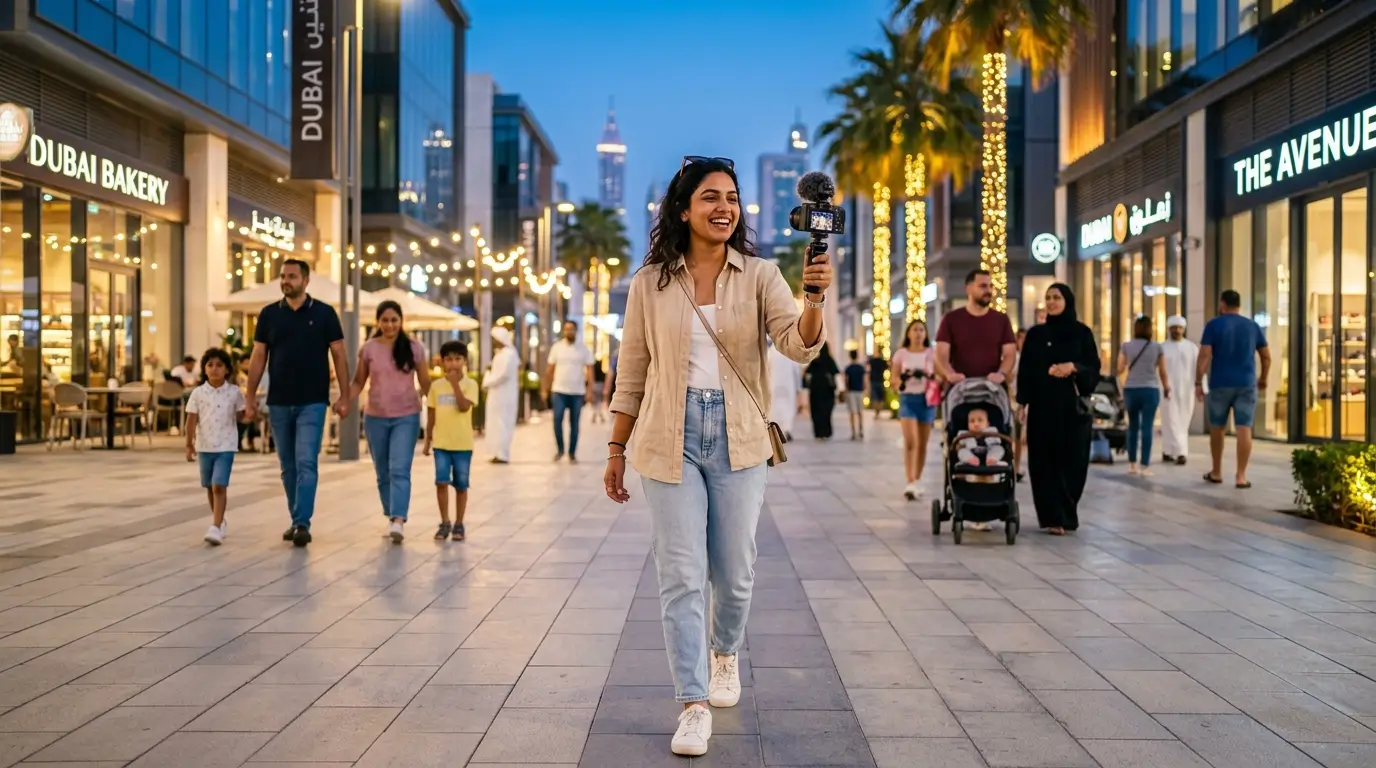
Is Dubai Safe for Tourists? 2026 Complete Safety Guide
Is Dubai safe for tourists? This is the single most searched question about Dubai among people planning their first visit, and it deserves a genuinely honest and detailed answer rather than a simple yes or no. The short answer is yes — Dubai is one of the safest cities in the world for tourists in 2026. But the complete answer requires understanding what that safety looks like in practice, what the real risks are, what laws you must not break, and what specific groups of tourists including solo women, families, and first-time visitors need to know before they arrive.
This guide answers the question “is Dubai safe for tourists” with real data, honest context, and practical advice that goes beyond what most competing guides provide. If you are planning a trip to Dubai in 2026, this is everything you need to know.
Dubai Safety in 2026: The Real Numbers
Before addressing specific concerns, the safety statistics for Dubai in 2026 are genuinely remarkable by any international standard and provide the most honest starting point for answering whether Dubai is safe for tourists.In Numbeo’s 2026 global safety index, the UAE ranked as the safest country in the world, with six UAE cities including Dubai appearing in the top ten safest cities globally. Dubai itself holds a safety index score of 83.9, placing it ahead of virtually every major Western tourist destination including London, Paris, New York, and Sydney.
Dubai receives over 14 million visitors annually and crime against tourists is exceptionally rare — less than 0.3 percent of visitors experience any crime-related incident. For context, this figure is significantly lower than equivalent statistics for major European and North American tourist cities.The main risks for visitors are petty tourist scams, traffic accidents, and unintentional cultural offences rather than personal safety threats. Violent crime is extremely rare, streets are safe to walk at any hour, and police are highly visible and helpful.These numbers establish the baseline: Dubai is safe for tourists. The rest of this guide addresses the nuances, the laws you must understand, and the practical information that helps you stay safe and avoid unintentional problems.
Why Dubai Is So Safe for Tourists
Understanding why Dubai is safe for tourists helps you appreciate how the safety environment actually works on the ground.
Strict Law Enforcement and Advanced Surveillance
Dubai employs advanced surveillance including AI cameras and facial recognition across public spaces, contributing to crime statistics showing violent crime rates below 12 per 100,000. Strict legal enforcement deters offences, while community policing fosters trust. Tourists benefit from 24/7 responsiveness.
The surveillance infrastructure in Dubai is genuinely extensive. CCTV cameras cover virtually every public space in the city including streets, malls, metro stations, beaches, and tourist areas. This level of monitoring creates a strong deterrent effect on crime and enables rapid response when incidents do occur.
Tourism Is a Strategic Priority
Dubai’s tourism industry is a major pillar of the economy, which means authorities prioritize maintaining a safe and welcoming environment for international travelers. Dubai welcomed over 17 million tourists in 2025 and has an economic interest in its safety reputation that goes far beyond ordinary civic responsibility. The government actively monitors and maintains its standing in international safety rankings.
High Police Visibility and Response Times
Dubai Police operates one of the highest police-to-population ratios in the region. Tourist areas including Downtown Dubai, Dubai Marina, Deira, and JBR are patrolled consistently. The 901 Contact Centre alone handled over 294,000 non-emergency calls in the first quarter of 2026, demonstrating a transparent and accessible system. Emergency response times in Dubai are among the fastest of any major global city.
Is Dubai Safe for Tourists Right Now in 2026?
The question of whether Dubai is safe for tourists right now in 2026 requires honest acknowledgement of the regional context. The broader Middle East experienced geopolitical tensions in late 2025 and early 2026 related to the Iran conflict, which generated significant concern among potential tourists worldwide.Despite regional tensions from the Iran conflict, the UAE’s Thaad and Patriot air defense systems intercepted all 23 missiles targeting UAE airspace. Dubai remains one of the safest cities in the world in 2026.
Despite headlines about regional tensions, daily life in Dubai continues normally. Millions of visitors continue to arrive each month for business, leisure, and tourism. Dubai International Airport remains one of the busiest international travel hubs, welcoming travelers from Europe, Asia, Africa, and the Americas every day. Hotels, restaurants, shopping centers, and beaches continue to welcome visitors, and tourism activities remain active across the city.The practical reality for tourists visiting Dubai in 2026 is that the city itself is operating normally and safely. The standard recommendation from travel advisories is to remain aware of the broader regional context and check your home government’s travel advisory before departure, but no major Western government is advising against travel to Dubai.
Laws Tourists Must Know Before Visiting Dubai
This is the section that most travel guides handle superficially and where the most important practical advice lives. Dubai is safe for tourists, but the legal environment is significantly different from Western countries, and unintentional violations of local law represent a genuine risk that requires proper understanding.
Zero Tolerance for Drugs
Zero tolerance for drugs — any amount means jail and deportation. This is the most critical law for any tourist to understand before visiting Dubai. The UAE applies one of the strictest drug laws in the world. Possession of any quantity of any controlled substance, including drugs that may be legal or decriminalised in your home country, results in criminal prosecution. Cannabis in any form — including CBD products, edibles, or vaping cartridges that may be legal in your country — is completely prohibited. The consequences are serious: mandatory prison sentences and deportation.If you take prescription medications, check the UAE Ministry of Health’s list of controlled medicines before travelling. Some medications that are available over the counter in Western countries require prior approval for import into the UAE. Carry a doctor’s letter and original pharmacy packaging for all prescription drugs.
Alcohol Laws
Alcohol is legal in Dubai but only in licensed venues. You can consume alcohol only in licensed places like hotels and clubs as they have the authority to serve alcohol. Drinking in public spaces, on streets, on beaches, or in unlicensed restaurants is illegal. Being intoxicated in public is a criminal offence. This does not mean tourists cannot drink in Dubai — they absolutely can, in hotels, licensed restaurants, bars, and clubs — but the context matters enormously.
Public Behaviour Laws
Physical affection in public is restricted. Kissing and overt displays of romantic affection in public spaces can result in fines or legal action. Holding hands is generally acceptable. Loud or rowdy behaviour in public, including shouting or causing a disturbance, can attract police attention. Using obscene language or making offensive gestures in public — including inside vehicles — is illegal and tourists have been fined and prosecuted for this.
Photography Restrictions
When visiting military sites or any public spaces, do not take photographs without permission. Specific photography rules apply to government buildings, military installations, certain bridges and infrastructure, and places of worship. Photographing people without their consent, particularly local Emirati women and children, is considered disrespectful and can attract complaints. Using drones requires a permit from the UAE General Civil Aviation Authority.
Dress Code
Dress code should be followed by women when visiting mosques, malls, or government buildings — covering knees and shoulders or bringing a scarf. In practice, Dubai’s dress code is more relaxed than many visitors expect in tourist areas. Swimwear is completely normal on beaches and at pools. However, covering up when moving through shopping malls, restaurants, and public streets is expected and appreciated. At mosques and religious sites, both men and women must cover appropriately.
Social Media and Online Content
The UAE has laws covering online content that tourists from Western countries may not be familiar with. Posting content that is considered offensive to UAE values, the government, religion, or public morals can result in legal consequences. This applies to content posted while in the UAE even if it is directed at audiences in other countries.
Is Dubai Safe for Solo Female Tourists?
The question of whether Dubai is safe for female tourists travelling alone is one of the most frequently asked safety questions about the city, and the answer is strongly positive.Dubai is one of the safest cities in the world for women, consistently ranking in the top 10 globally for female safety. The combination of strict harassment laws, heavy surveillance, cultural hospitality norms, and effective policing creates an environment where women enjoy significantly more freedom of movement than in many Western cities.
Solo female travelers report feeling safer in the UAE than in Western cities. Women can walk alone at night, use public transport, and take taxis safely. The metro has women-only carriages. Street harassment is rare and illegal with strict penalties.Practical advice for solo female tourists in Dubai includes dressing modestly in public areas outside beach and pool zones, using the women-and-children carriages on the Dubai Metro, using licensed taxis or Uber and Careem for transport at night, and staying in well-reviewed hotels in tourist areas. None of these precautions reflect a genuinely unsafe environment — they reflect cultural respect and standard urban awareness that applies in any major city.
Is Dubai Safe for Families with Children?
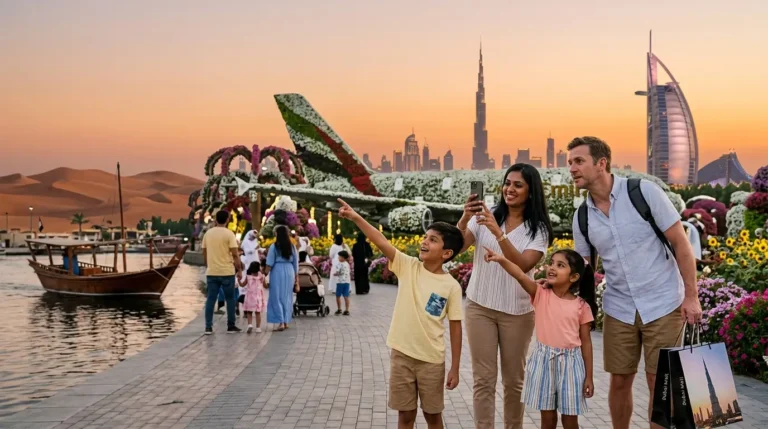
Dubai is an exceptionally family-friendly destination and is considered safe for tourists travelling with children by every major safety assessment. The combination of low crime, controlled public spaces, extensive family-oriented attractions, and the general cultural emphasis on family values in Emirati society creates one of the most comfortable family travel environments of any major tourist city in the world.
Theme parks, water parks, beach clubs, and malls are all well managed with safety standards that meet or exceed international requirements. Healthcare facilities in Dubai are modern and internationally accredited. The food safety standards at licensed restaurants are high. Public spaces are clean and well maintained. Traffic is the primary practical safety concern for families, as driving standards in Dubai can be aggressive and pedestrian crossings must be used carefully.
Common Scams Tourists Should Know About in Dubai
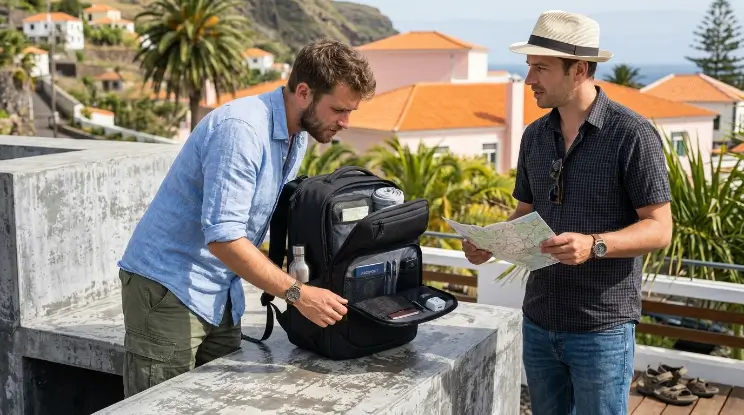
While Dubai is safe for tourists in terms of violent crime and personal safety, certain scams do exist in tourist areas and are worth knowing about before you visit.Common scams include fake police badges, counterfeit goods sold as genuine, and unofficial tour guides. Always verify credentials and purchase from reputable stores.In the Gold Souk and tourist shopping areas, some vendors will quote prices verbally that differ from what they attempt to charge at payment, particularly with confused or unfamiliar tourists. Always agree on a price before any transaction and confirm in writing or on a displayed menu if possible.
Taxi drivers at certain popular spots occasionally attempt to use unofficial flat rates rather than the meter, particularly when picking up tourists unfamiliar with standard fares. Always insist on the meter, or use Uber and Careem for transparent pricing. Official metered taxis are safe — the scam is purely financial rather than a personal safety risk.Online scams involving fake rental listings and fraudulent tour operators operating outside legitimate channels also exist. Book accommodation through established platforms and tours through licensed operators. The Dubai Tourism website provides a directory of licensed operators.
Health and Medical Safety in Dubai
Dubai’s healthcare infrastructure is excellent. The city has numerous internationally accredited hospitals and clinics, and medical care standards are high. Travel insurance that covers medical evacuations is strongly recommended. Stay hydrated to combat the heat. Routine vaccinations should be up-to-date, and check for any specific health advisories before travel.
The most significant health risk for tourists visiting Dubai is heat-related illness, particularly for visitors from temperate climates who are not accustomed to extreme temperatures. Between June and September, outdoor temperatures regularly exceed 40 degrees Celsius and humidity can be high. Dehydration, heat exhaustion, and heat stroke are genuine risks for tourists who spend extended periods outdoors without adequate preparation. Drink water consistently throughout the day, rest in air-conditioned environments during the hottest midday hours, and reduce outdoor activity intensity in summer months.Tap water in Dubai is desalinated and technically safe to drink. Most residents and visitors prefer bottled water due to the taste and as a precaution for sensitive stomachs. Bottled water is inexpensive and universally available.Food safety at licensed restaurants in Dubai is well regulated. Street food in traditional souk areas is generally safe, as vendors operate under municipality health inspections. Standard travel health precautions — avoiding ice of uncertain origin and washing hands before eating — apply as they would anywhere.
Transport Safety in Dubai
Transport in Dubai is generally very safe for tourists. Transportation is safe — even mass transit. The Dubai Metro is modern, clean, well-monitored, and safe at all hours. Buses are similarly well maintained. Licensed taxis are safe and metered. Uber and Careem operate legally and are widely used.The primary transport safety concern in Dubai is road traffic. Dubai has higher traffic accident rates than comparable cities due to a combination of high speeds on major roads, aggressive driving culture, and the sheer volume of vehicles. As a tourist, avoiding driving in Dubai entirely and using public transport, taxis, and ride-hailing apps is the safest and most practical choice. If you do hire a car, drive conservatively and be particularly alert on Sheikh Zayed Road and the major highway connectors.
Emergency Contacts for Tourists in Dubai
Knowing the correct emergency contacts before you need them is an essential part of visiting any destination safely. In Dubai, the primary emergency numbers are as follows.Police emergency: 999. Ambulance: 998. Fire: 997. Non-emergency police assistance: 901. Dubai Health Authority medical helpline: 800342. Tourist Police: available at major tourist sites and malls throughout the city.
Your home country’s embassy or consulate in Dubai or Abu Dhabi can assist with lost passports, serious legal issues, and emergency repatriation. Register your trip with your home country’s foreign ministry travel registration service before departure — most countries offer this as a free service and it provides a direct line of assistance in the event of a serious incident.Travel insurance is strongly advisable for all tourists visiting Dubai. A policy covering medical treatment, emergency evacuation, trip cancellation, and personal liability provides comprehensive protection for the small percentage of situations where things go wrong.
Is Dubai Safe for Tourists? Neighbourhood by Neighbourhood
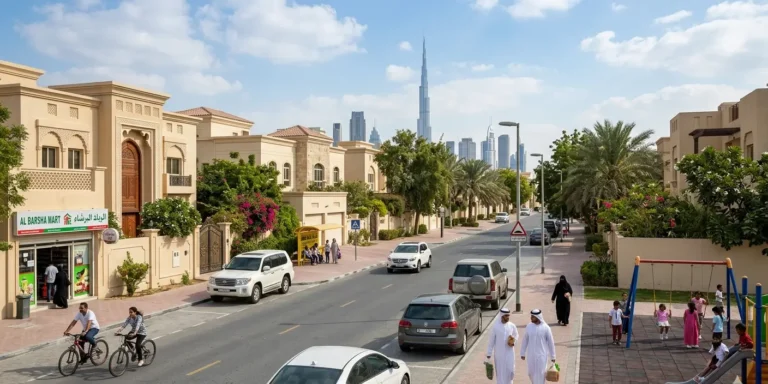
The question of whether Dubai is safe for tourists also has a geographical dimension. Different areas of the city have slightly different characters and atmospheres, though all are safe by international standards.Downtown Dubai and Dubai Marina are the most tourist-oriented areas and are the safest, most monitored, and most accessible for first-time visitors. Both areas are heavily patrolled and have excellent lighting, clear signage, and abundant licensed food and entertainment options.
Deira and Bur Dubai — the Old Dubai areas — are slightly more traditional in character and feel less polished than the modern tourist districts, but are equally safe. These areas have higher concentrations of residents from South Asia and Southeast Asia and feel more culturally diverse and less tourist-designed than Downtown or Marina. Petty theft, while rare across the whole city, is marginally more reported in the crowded souk areas of Deira, so keeping valuables secured is sensible.Palm Jumeirah and Jumeirah are quiet, affluent areas with very low crime and a predominantly residential character outside the resort hotels. These are among the safest and most relaxed environments in the city.
FAQs
Is Dubai safe to visit right now in 2026?
Yes. Dubai continues to maintain its reputation as one of the safest destinations for tourists. Dubai International Airport is operating normally and welcoming millions of visitors. Hotels, restaurants, and attractions remain open. Check your home government’s travel advisory for the latest update on regional conditions before departure.
Is Dubai safe for solo female travellers?
Yes. Dubai is widely considered safe for solo female travelers. The city has strong law enforcement, well-lit public areas, and a low rate of street crime. The metro has women-only carriages, harassment is strictly penalised, and most solo female visitors report feeling safer in Dubai than in comparable Western cities.
What are the biggest risks for tourists in Dubai?
The main risks for visitors are petty tourist scams, traffic accidents, and unintentional cultural offences rather than personal safety threats. Understanding local laws before you arrive eliminates the cultural offence risk entirely.
Can tourists drink alcohol in Dubai?
Yes, in licensed venues. Alcohol is available in hotel bars, licensed restaurants, and clubs. Drinking in public spaces, on streets, or on beaches is illegal. Being intoxicated in public is a criminal offence.
What should tourists not do in Dubai?
Never carry drugs of any kind. Do not drink in public. Do not display overt physical affection in public. Do not photograph government buildings, military installations, or people without consent. Do not dress inappropriately at religious sites. Respecting these rules ensures that your visit is safe and enjoyable without legal complications.
Is the water safe to drink in Dubai?
Tap water is technically safe to drink as it is desalinated. However, most residents and visitors prefer bottled water due to the taste and as a precaution for sensitive stomachs.
Conclusion
The answer to the question “is Dubai safe for tourists” in 2026 is yes — clearly, consistently, and with strong evidence to support it. Dubai holds one of the highest global safety index scores of any major tourist city. Violent crime targeting tourists is extremely rare. Personal safety for solo travellers, families, and all demographics is well established. The city’s infrastructure, law enforcement, and economic commitment to tourism collectively create one of the most secure travel environments available anywhere in the world.The qualifications to this answer are not about safety in the conventional sense — they are about legal and cultural awareness. Dubai’s strict laws around drugs, public behaviour, and alcohol are non-negotiable, and tourists who understand them before visiting will have no difficulty whatsoever. Those who arrive without this knowledge are the ones who occasionally encounter legal problems, and those problems are entirely avoidable with preparation.Is Dubai safe for tourists? Yes. Plan your trip, understand the rules, and you will find that Dubai delivers not just safety but a level of comfort, cleanliness, and security that is difficult to match anywhere in the world.